How to prepare your stay in Paris: Exclusive guide to an unforgettable experience
Categories : Paris & Saint-Germain-des-prés, published on : 9/25/24
THE ESSENTIALS
for Experiencing Paris
- Balance your itinerary between culture, relaxation, and gastronomy for the best Paris experience
- Visit iconic landmarks like the Eiffel Tower, Louvre, and Notre-Dame Cathedral
- Explore neighborhoods including Le Marais, Latin Quarter, and Montmartre
- Experience Michelin-starred dining or bistros and local markets
- Choose central accommodation near the Seine for easy access to major attractions
HOW DO YOU PLAN
a Paris Itinerary?
Why Is a Well-Crafted Itinerary Important in Paris?
Paris offers countless attractions, restaurants, and experiences. Without proper planning, you risk feeling overwhelmed or missing essential sites.
A balanced itinerary combines three key elements: cultural visits, relaxation time, and gastronomic experiences. This approach prevents exhaustion while ensuring you appreciate the city's best offerings.
What Should You Include in Your Paris Schedule?
Focus on quality over quantity. Select 2-3 major attractions per day. Leave gaps between activities for spontaneous café stops or unexpected discoveries.
Consider your personal interests. Art lovers should prioritize museums. Food enthusiasts need time for market visits and long lunches. History buffs benefit from architectural tours and monument visits.
Plan around opening hours and crowd patterns. Visit popular sites early morning or late afternoon. Reserve midday for leisurely meals or neighborhood walks.
WHAT ARE THE MUST-SEE
Iconic Sites in Paris?
Is the Eiffel Tower Worth Visiting?
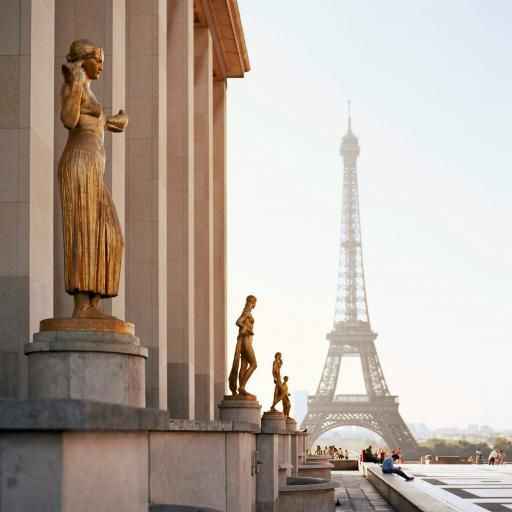
The Eiffel Tower remains Paris's most recognizable landmark. It lights up every evening, creating a unique visual experience.
Climbing to the top reveals breathtaking panoramic views of the entire city. Book tickets in advance to avoid long queues, especially during peak tourist seasons.
The tower offers three levels. The second level provides excellent photo opportunities. The summit delivers the most dramatic cityscape views.
Why Is the Louvre Museum a Must-Visit Attraction?
The Louvre houses world-famous masterpieces including the Mona Lisa and Venus de Milo. It's the largest art museum in the world.
Plan at least 3-4 hours for your visit. The museum is massive—you can't see everything in one day. Focus on specific collections that interest you most.
Book timed entry tickets online. This eliminates waiting in outdoor queues and guarantees museum entry.
Should You Visit the Musée d'Orsay?
The Musée d'Orsay specializes in Impressionist and Post-Impressionist masterpieces. It's essential for fans of Monet, Renoir, Van Gogh, and Degas.
The museum occupies a converted railway station. The building itself is an architectural masterpiece. Natural light from the glass ceiling illuminates the artworks beautifully.
Allow 2-3 hours for a comprehensive visit. The museum is smaller than the Louvre, making it less overwhelming.
What Can You Experience at the Champs-Élysées?
A stroll along the Champs-Élysées to the Arc de Triomphe offers classic Parisian atmosphere. The avenue features luxury boutiques, cafés, and theaters.
The Arc de Triomphe honors French military history. Climb to the top for impressive views down the Champs-Élysées and toward La Défense.
Visit in the evening when the avenue lights up. The atmosphere becomes particularly magical during the holiday season.
Is Notre-Dame Cathedral Still Worth Visiting?
Notre-Dame Cathedral remains an iconic Paris landmark despite the 2019 fire. The cathedral represents Gothic architecture at its finest.
The exterior and surrounding area are accessible. You can appreciate the flying buttresses, gargoyles, and intricate stonework from outside.
The nearby Île de la Cité offers charming streets and historical significance. Combine your visit with a walk along the Seine riverbanks.
WHICH AUTHENTIC NEIGHBORHOODS
Should You Explore?
What Makes Le Marais Special?
Le Marais offers a bohemian atmosphere with distinct character. Each street reveals art galleries, designer shops, and charming independent cafés.
The neighborhood preserves medieval architecture. Narrow streets and historic buildings create an intimate, walkable environment.
Le Marais features a vibrant Jewish Quarter with traditional bakeries and delis. The Sunday market on Rue des Rosiers attracts food lovers and locals alike.
Why Visit the Latin Quarter?
The Latin Quarter exudes historic academic ambiance. Cobblestone streets, independent bookshops, and university buildings define the area.
The neighborhood centers around the Sorbonne University. Students fill the cafés, creating an intellectual, youthful energy.
Shakespeare and Company bookstore is a must-visit. This English-language bookshop has welcomed writers and readers since 1951.
What Should You See in Montmartre?
Montmartre is the artists' quarter with picturesque streets and village-like charm. The neighborhood sits on a hill overlooking Paris.
The Sacré-Cœur Basilica dominates the skyline. Its white domes offer one of the best panoramic views in the city.
Place du Tertre features portrait artists working in the square. The surrounding streets contain intimate restaurants and wine bars favored by locals.
Wandering these neighborhoods reveals Paris's authentic soul. You'll experience the city far beyond standard tourist routes.
HOW DO YOU ENJOY PARIS'S BEST
Gastronomic Experiences?
Why Is Paris Considered a Gastronomic Paradise?
Paris combines culinary tradition with constant innovation. The city features Michelin-starred restaurants, historic brasseries, and vibrant local markets.
French cuisine emphasizes fresh ingredients, precise technique, and presentation. Meals are cultural experiences, not just sustenance.
Preparing your Paris stay involves selecting dining experiences that match your taste and budget. The city offers options from casual bistros to haute cuisine.
SHOULD YOU DINE
at Michelin-Starred Restaurants?
What Makes Guy Savoy Exceptional?
Guy Savoy operates from Monnaie de Paris, offering a symphony of flavors. The restaurant holds three Michelin stars.
The tasting menus showcase seasonal ingredients with innovative techniques. Service is impeccable yet warm, never stuffy.
Book reservations weeks in advance. The restaurant's reputation attracts diners from around the world.
Is Le Jules Verne Worth the Price?
Le Jules Verne perches atop the Eiffel Tower, providing 360° views alongside refined dishes. The setting combines dramatic views with exceptional cuisine.
Chef Frédéric Anton creates contemporary French dishes with artistic presentation. The experience merges sightseeing with gastronomy.
Request a window table when booking. The views enhance every course, making the meal memorable beyond the food alone.
What Do Pierre Gagnaire and Alain Ducasse Offer?
Pierre Gagnaire delivers fusion between French tradition and international influences. His dishes are known for unexpected flavor combinations and artistic plating.
Alain Ducasse at Plaza Athénée focuses on naturalness and essential flavors. The restaurant emphasizes vegetables, grains, and fish with minimal cream and butter.
Both restaurants push culinary boundaries. They suit diners seeking creative, thought-provoking cuisine rather than traditional French dishes.
WHERE CAN YOU FIND CASUAL
Parisian Food Experiences?
What Are the Best Local Markets in Paris?
Marché d'Aligre offers fresh produce, regional specialties, and local character. This working-class market attracts Parisians shopping for daily meals.
Marché des Enfants Rouges is Paris's oldest covered market. Vendors sell prepared foods from around the world—Moroccan tagines, Italian pasta, Japanese bento boxes.
Visit markets in the morning when selection is best. Bring a reusable bag and cash for small vendors.
Where Should You Buy Fresh Croissants in Paris?
Traditional bakeries (boulangeries) produce buttery croissants daily. Look for shops with "Artisan Boulanger" signs—this indicates on-site baking.
A quality croissant should be golden, flaky, and slightly crispy outside. The interior remains soft with visible layers.
Buy croissants fresh in the morning. Parisians rarely eat day-old pastries.
Which Bistros Offer Authentic French Cuisine in Paris?
Le Comptoir du Relais serves traditional French cuisine in a warm setting. Chef Yves Camdeborde focuses on seasonal ingredients and classic techniques.
Benoit, owned by Alain Ducasse, preserves bistro traditions. The menu features dishes like boeuf bourguignon, escargots, and tarte tatin.
Bistros offer chic yet unpretentious experiences. Expect hearty portions, reasonable prices, and neighborhood atmosphere.
HOW DOES ACCOMMODATION LOCATION
Affect Your Paris Stay?
Why Choose Hotels Near the Seine?
Central locations near the Seine provide easy access to major attractions. You can walk to museums, monuments, and restaurants without lengthy metro rides.
Proximity to the river allows quiet evening strolls along the banks. The Seine offers peaceful retreats from busy tourist areas.
Hotels in Saint-Germain-des-Prés combine central location with authentic neighborhood character. You're steps from both sightseeing and local life.
What Should You Look for in Paris Hotel Amenities?
Personalized services enhance your stay. Look for dedicated concierge services that handle restaurant reservations and ticket bookings.
Quality hotels offer on-demand spa treatments. After days of walking, in-room massage services provide welcome relief.
Room service menus should reflect Parisian cuisine. Breakfast delivered to your room lets you start days leisurely.
How Important Are Common Areas in Hotels?
Elegant common areas extend your hotel experience beyond your room. Lounges with wine and cocktails create social spaces without leaving the building.
Hotel libraries offer quiet spaces to relax or work. The sophisticated ambiance helps you decompress after busy sightseeing days.
Outdoor terraces provide ideal spots for sunny breakfasts or intimate dinners. These spaces serve as sanctuaries of tranquility in the bustling city.
FAQ:
Preparing Your Paris Stay
How many days should I spend in Paris?
Plan a minimum of 4-5 days to experience Paris properly. This allows time for major attractions, neighborhood exploration, and several quality meals without rushing. A full week gives you breathing room for day trips or spontaneous discoveries.
When is the best time to visit Paris?
Spring (April-June) and fall (September-November) offer ideal weather and moderate crowds. Summer brings peak tourism but also outdoor festivals and longer daylight hours. Winter features holiday decorations and fewer tourists, though weather can be gray and cold.
Should I book attractions in advance?
Yes, book popular sites like the Eiffel Tower, Louvre, and Musée d'Orsay at least 2-3 weeks ahead during peak season. This eliminates waiting in long queues and guarantees entry. Some Michelin-starred restaurants require reservations months in advance.
How do I get around Paris efficiently?
The metro system covers the entire city efficiently. Buy a Navigo pass for unlimited weekly travel or a carnet (10-ticket book) for occasional use. Many central areas are walkable—comfortable shoes are essential.
Do I need to speak French in Paris?
Basic French phrases help but aren't mandatory. Most hotels, restaurants, and tourist sites have English-speaking staff. Learning "bonjour," "merci," and "s'il vous plaît" shows respect and often improves interactions.
What's the tipping culture in Paris?
Service charges are included in restaurant bills. Additional tipping is appreciated but not required—round up to the nearest euro or leave 5-10% for exceptional service. Tip hotel concierges €5-10 for special assistance.
WHERE TO STAY DURING
Your Paris Visit
After planning your Paris itinerary, securing the right accommodation becomes crucial. Hotel Montalembert offers an ideal base in the heart of Saint-Germain-des-Prés.
The hotel sits just steps from the Seine and major attractions. You can easily reach the Louvre, Musée d'Orsay, and the Eiffel Tower while staying in an authentic Parisian neighborhood.
Superior Room: Refined Comfort in Central Paris
Hotel Montalembert's Superior Room blends contemporary design with Parisian elegance. These rooms feature carefully selected furnishings and premium bedding.
After exploring iconic sites and authentic neighborhoods, the Superior Room provides a peaceful haven. The quiet location ensures restful nights despite the central position.
The room includes personalized services like on-demand spa treatments and dedicated concierge assistance. You can plan each day's adventures with expert local knowledge.
Deluxe Room: Enhanced Space for Extended Stays
For travelers seeking additional comfort, Hotel Montalembert's Deluxe Room offers enhanced space and refined amenities. These larger accommodations suit guests planning longer Paris stays.
The Deluxe Room provides room to relax between gastronomic experiences and cultural visits. Extra space becomes valuable when you need to recharge before evening activities.
Both room categories grant access to the hotel's elegant common areas. The library offers quiet spaces to plan your itinerary. The outdoor terrace serves as an ideal spot for breakfast or intimate dinners.
Returning to Hotel Montalembert after busy Paris days feels like coming home. The combination of central location, personalized service, and refined atmosphere creates the perfect complement to your carefully planned Paris experience.
Note: Verify restaurant opening hours, attraction ticket prices, and booking requirements before your visit. Information may change seasonally.